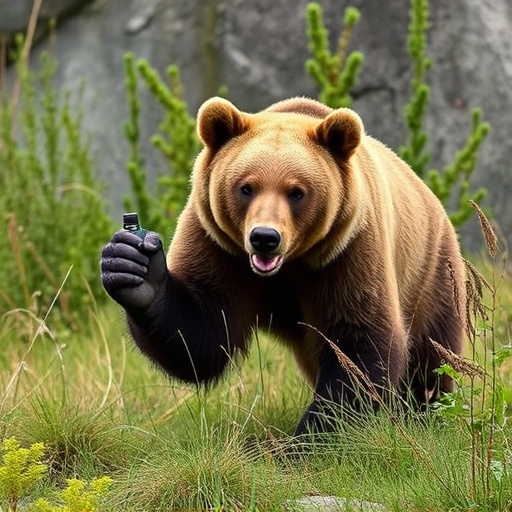
Bear spray, with higher capsaicin concentrations than regular pepper spray (20%+ vs. 10%), is a more potent deterrent against bears. It penetrates fur and overrides sensory defenses, causing bears to retreat. Key safety protocols include understanding usage, aiming for face & eyes, maintaining distance, and immediate retreat after spraying. Bear spray's range (20-30 ft) and temporary disorientation effect make it ideal for close encounters, with regional regulations governing its legal carry.
“Enhancing your outdoor experience while ensuring safety from wildlife encounters is paramount, especially when venturing into bear country. This comprehensive guide delves into the world of bear spray—a powerful tool for deterring bears. We explore the science behind its active ingredients and efficacy, dissecting the debate: Is bear spray stronger than pepper? From safety precautions to application techniques and legal aspects, this article equips you with knowledge to navigate encounters confidently. Prepare to discover the intricacies of self-defense against these majestic yet potent creatures.”
- Understanding Bear Spray: Active Ingredients & Efficacy
- Pepper vs Bear Spray: A Comparative Analysis
- Safety Measures When Using Bear Spray
- Effective Range and Application Techniques
- Legal Considerations for Carrying Bear Spray
Understanding Bear Spray: Active Ingredients & Efficacy
Bear spray, also known as bear deterrent spray, is a crucial tool for anyone venturing into bear country. It’s designed to protect individuals from aggressive bears and offer time to escape or defend themselves. Understanding the active ingredients and efficacy of bear spray is essential when considering its use.
Most bear sprays contain capsaicin, the same compound that makes chili peppers spicy. However, these are not your average pepper sprays. Bear spray solutions typically have a much higher concentration of capsaicin, making them far stronger than traditional pepper spray. This potency ensures effectiveness against bears, even in situations where human pepper spray might not deter an attack. In terms of comparison, is bear spray stronger than pepper? Absolutely. Bear spray is specifically formulated to overcome the sensory defenses of bears, including their thick fur and potential resistance to certain chemicals.
Pepper vs Bear Spray: A Comparative Analysis
When it comes to self-defense against bears, two common options are bear spray and pepper spray. But is bear spray stronger than pepper spray? It’s a question that often arises among outdoor enthusiasts and those living in bear country.
Bear spray, also known as bear repellent, contains capsaicin, the same active ingredient found in pepper spray but in much higher concentrations. This makes bear spray incredibly effective at deterring bears, especially grizzly bears, which have a thick fur coat that can make pepper spray less effective. The high concentration of capsaicin in bear spray can cause bears to retreat, giving individuals valuable time to escape or seek shelter. In contrast, regular pepper spray might not have the same impact due to the bear’s natural defenses against such irritants.
Safety Measures When Using Bear Spray
Using bear spray can be an effective safety measure in close encounters with bears, but it’s crucial to understand its potency and application. One common question is whether bear spray is stronger than pepper spray, a standard self-defense tool. Bear spray typically contains capsaicin, the active ingredient in chili peppers, but in much higher concentrations—often 20% or more compared to around 10% in traditional pepper spray. This heightened concentration makes bear spray highly effective at deterring bears.
When using bear spray, it’s important to follow safety protocols. Always keep the spray in an easily accessible location and familiarize yourself with its operation before venturing into bear country. During a confrontation, aim for the bear’s face and eyes, as this area is sensitive to capsaicin. Keep the spray can between 20 and 30 feet away from you and the bear, as wind direction can significantly impact its effectiveness. After spraying, retreat immediately and ensure you have a safe distance from the bear.
Effective Range and Application Techniques
Bear spray, also known as pepper spray specifically designed for wildlife encounters, offers a non-lethal defense against aggressive bears. When considering its effectiveness, it’s crucial to understand the bear spray’s range and application techniques. Typically, bear spray has a range of 20 to 30 feet (6 to 9 meters), making it a close-proximity defense tool. This range is important as it allows users to apply the spray directly into the bear’s face, which is the key area for irritation.
The application technique plays an equally vital role in its success. Users should aim for the eyes and nose, creating a cloud of spray that covers the animal. Unlike self-defense pepper spray used by humans, wildlife encounter sprays are designed to cause temporary disorientation and fear in bears rather than permanent damage. This distinction is crucial as it ensures the safety of both the individual and the bear, especially considering debates about whether bear spray is stronger than regular pepper spray.
Legal Considerations for Carrying Bear Spray
When it comes to legal considerations for carrying bear spray, it’s essential to understand regional regulations. In many areas, bear spray is a legally recognized and permitted self-defense measure against aggressive wildlife. However, specific rules vary widely from one location to another. Some regions have strict guidelines on the type of spray allowed, its concentration, and the conditions under which it can be carried. For instance, laws may dictate that bear spray must be stored in a locked container and clearly labeled.
An intriguing aspect of these regulations is the comparison between bear spray and pepper spray. While both are designed for self-defense, bear spray is generally considered more potent due to its higher capsaicin concentration. This makes it an effective deterrent against bears, as it not only causes a burning sensation but also temporarily disorients them. In contrast, standard pepper spray might not pack the same punch, making bear spray a preferred choice for outdoor enthusiasts venturing into bear country.
Bear spray, an essential tool for wildlife encounter protection, offers a safe and effective means of deterring bears. Understanding its active ingredients, comparing it to pepper spray, knowing safety measures, application techniques, and legal considerations can greatly enhance your experience outdoors. In terms of strength, bear spray generally excels over pepper spray in repelling large predators like bears due to its specialized formula. Ultimately, armed with knowledge and the right gear, individuals can responsibly coexist with these majestic animals while minimizing risks.